
Using Antigravity AI to Build Websites
/ Blog, ProgrammingJoin our free newsletter on Patreon for updates & behind-the-scenes →I have been using Antigravity AI to build websites and code for me. I started off with building out my new invoicing software. I have many clients using my old invoicing software to pay their bills and to automatically invoice and charge the customer. It is a great tool that can help you speed up development and get your projects done faster.
I was very impressed with the results and the speed at which it could generate code. I was able to build out new invoicing software in a matter of hours that was able to handle most of the same features as my old invoicing software. If you have never used Antigravity AI, I am going to explain how it works and how it can help you build websites faster and easier.
You do not need to pay anything to get started with Antigravity AI. You can try it out for free and see if it is right for you. If you are interested in learning more, you can visit their website at antigravity.google. I am not being sponsored by antigravity, but I do use it for my own projects and I have found it to be a great tool to share with my readers.
As of right now, they have their pricing on sale. I was able to get their yearly plan for the AI Pro for $99.
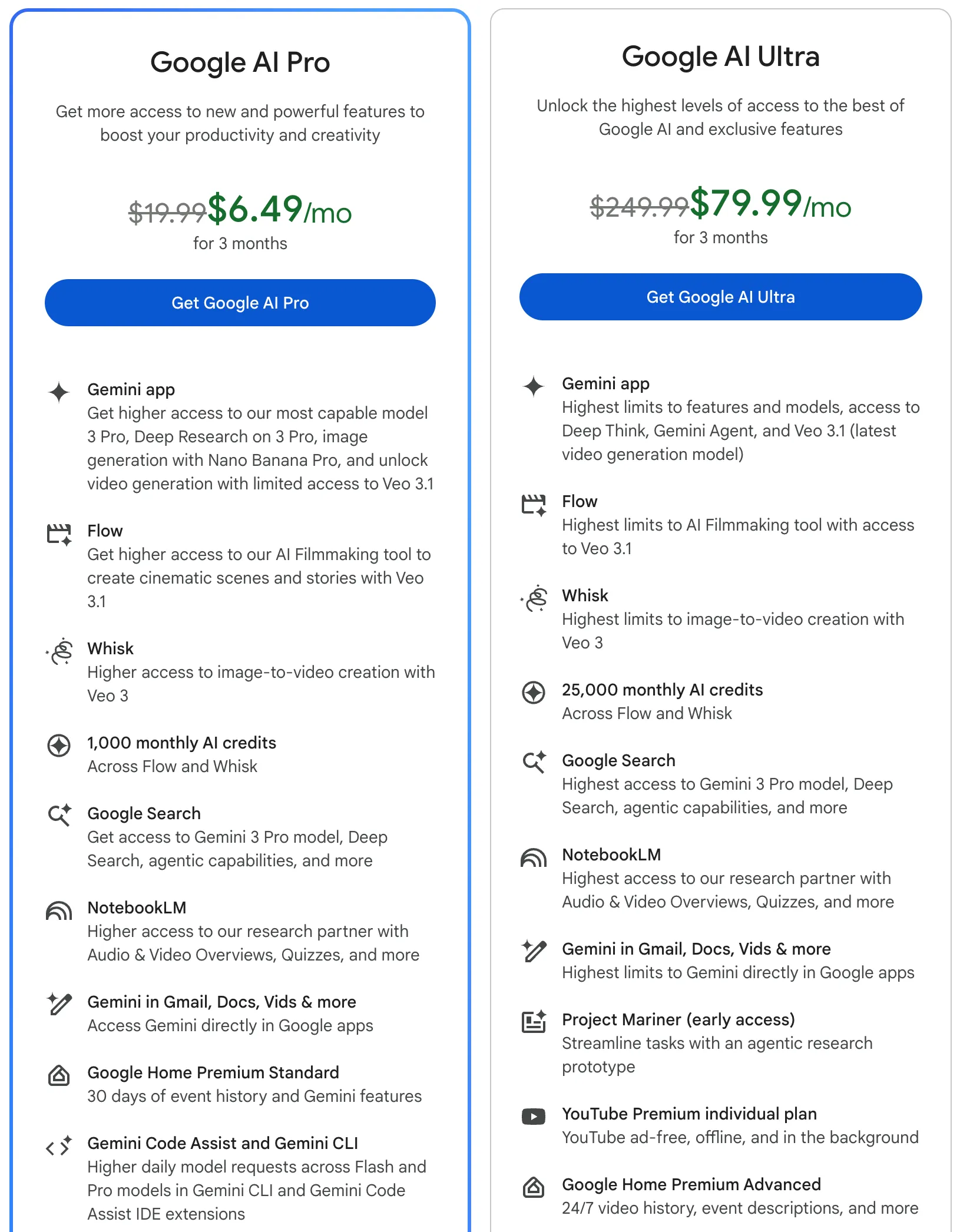
What’s nice is it includes more than just the Antigravity AI. It also includes image creation, video creation, and more. Although, I am not a huge fan of those types of generation. I do find it helpful to have the AI generate the code for me and then I can review it and make any necessary changes. However, I recommend just using their free plan, which is very generous, IMO.
To get started with Antigravity AI, you first select the specific model that best fits your project’s complexity. Once you provide your initial prompt or set of requirements, the AI doesn’t just jump straight into writing code. Instead, it generates a comprehensive plan and an architectural overview of how it intends to solve the problem. This stage is crucial because it allows you to review the proposed logic, file structure, and implementation details before any actual code is generated. After you approve the plan, the AI proceeds to build out the functionality, ensuring that the final output aligns perfectly with your expectations.
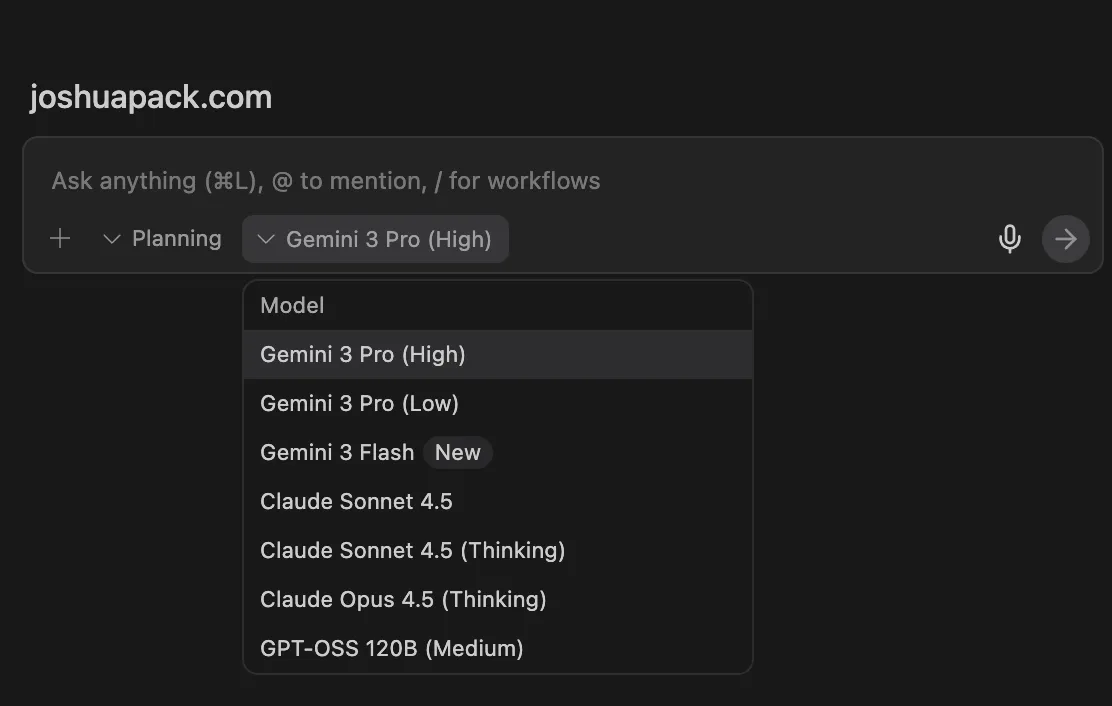
I have found the Gemini 3 Pro (High) to work very well for my projects. It is able to generate code that is very similar to what I would write myself, with some minor adjustments and refactoring. Although the Claude Opus 4.5 is the current king according to the internet, I have used it for a while but seem to hit the 5hr limits more often. As with the Gemini models, I was unable to hit the limits so far.
One of the most impactful tasks I tackled with Antigravity AI was migrating a legacy project from Webpack to Vite. I had been dreading the manual configuration changes and potential dependency conflicts, but the AI handled the transition almost seamlessly. It identified the necessary plugin replacements, updated the package.json scripts, and refactored the environment variable handling in minutes. The difference in performance is staggering. Vite’s Hot Module Replacement (HMR) is nearly instantaneous compared to the sluggish build times I was used to with Webpack. Looking back at the productivity gains, I really should have made the switch a long time ago.
For this blog, I even have it create an image for the blog’s banner. You can see how it analyzes the image and creates a banner for it. However, the more specific you are, the better the image will be. I also noticed it doesn’t know how to size the images correctly. I have to manually adjust the size of the image to be the correct size for the blog.

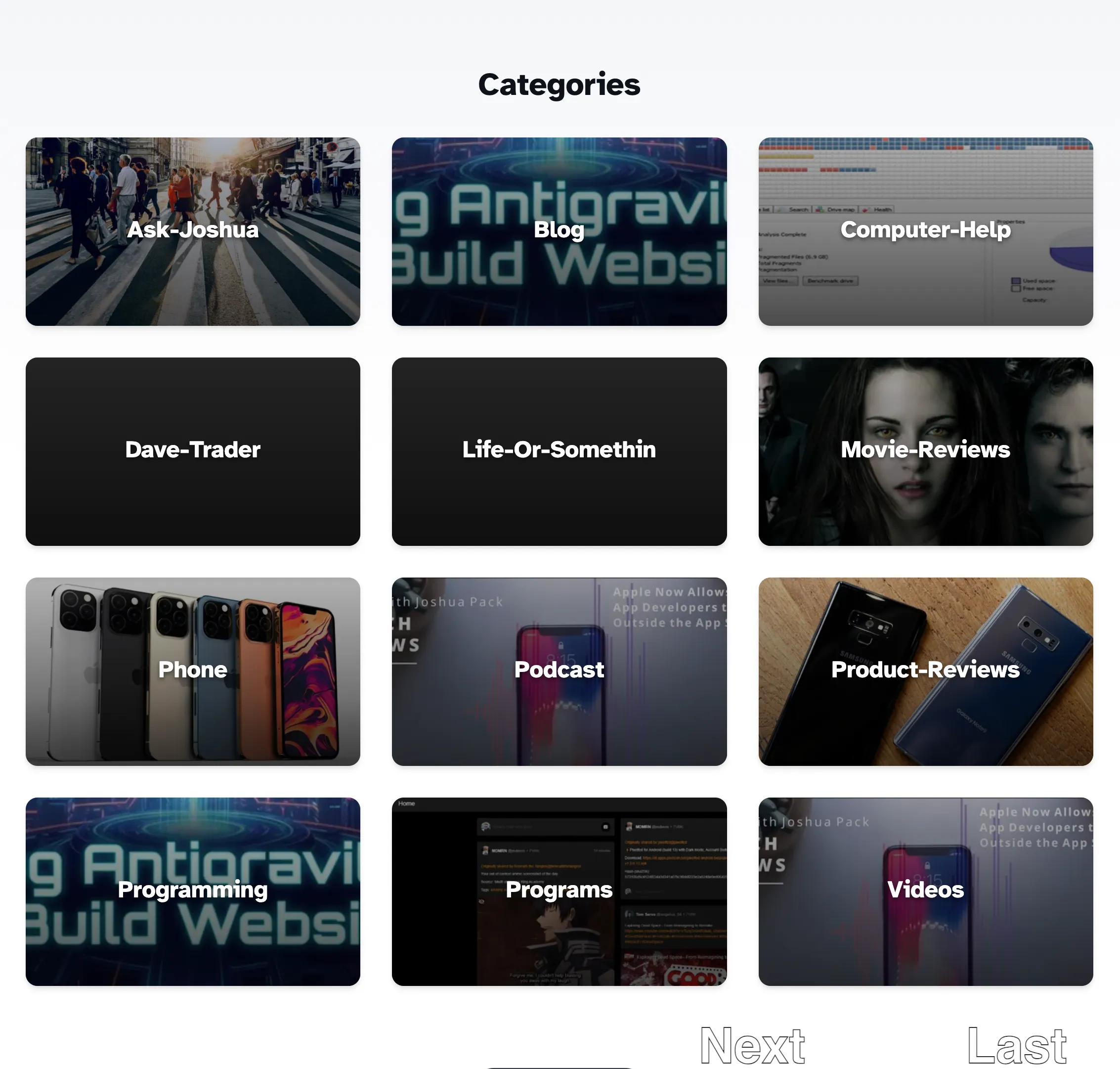
I did however update this website using Antigravity AI. I was able to get the main category pages and tag pages set up.
Conclusion
The evolution of agentic coding is truly remarkable. We have moved beyond simple autocomplete to systems that can plan, architect, and execute entire features autonomously. While there are still clear limitations, sometimes requiring a nudge in the right direction or a correction in logic, this is where the experience of a seasoned software developer becomes invaluable. By providing the right context and architectural constraints, you can guide these models to produce code that mirrors your own standards and style.
In my experience, where AI really shines is in the realm of frontend development and design. The ability to quickly iterate on UI components, handle complex CSS layouts, and bridge the gap between a concept and a functional interface is unparalleled. It allows me to focus on the high-level architecture while the AI handles the heavy lifting of the boilerplate and styling. As these tools continue to evolve, the barrier between idea and execution will only continue to shrink.
~Joshua
Tags:Antigravity, Vite, Web Development, Ai, Agentic Coding, Productivity, Performance, Frontend, Software, Tech, Gemini, Migration, WebpackNext Project, New Stack: Why PHP Won't Power My API
Auto Deploying Astro on a VPS
Related Posts

YouTube Moving the Goalposts: Why the 8,000 Watch Hour Cap Changes the Creator Grind
YouTube is doubling monetization requirements to 8,000 watch hours. Discover how this shift impacts creator strategy, workflows, and the future of small channels.
Continue to read more…
Ditching the IDE: Streamlining My Astro Blog Workflow
Why I'm building a custom Go backend with Firebase Auth to manage and publish blog posts to my Astro site on the fly without opening an IDE.
Continue to read more…
How to Migrate Zoho Mail to iCloud Custom Domain for Free
A step-by-step guide to migrating your historical emails from Zoho Mail to iCloud Custom Domain for free using imap-backup on a Mac.
Continue to read more…
Speed over Pure Muscle: My First Week with Gemini 3.5 Flash
A developer's first-week review of Google's Gemini 3.5 Flash. Discover why its ultra-low latency makes it the ultimate coding agent for software development.
Continue to read more…
Comments
Join the discussion